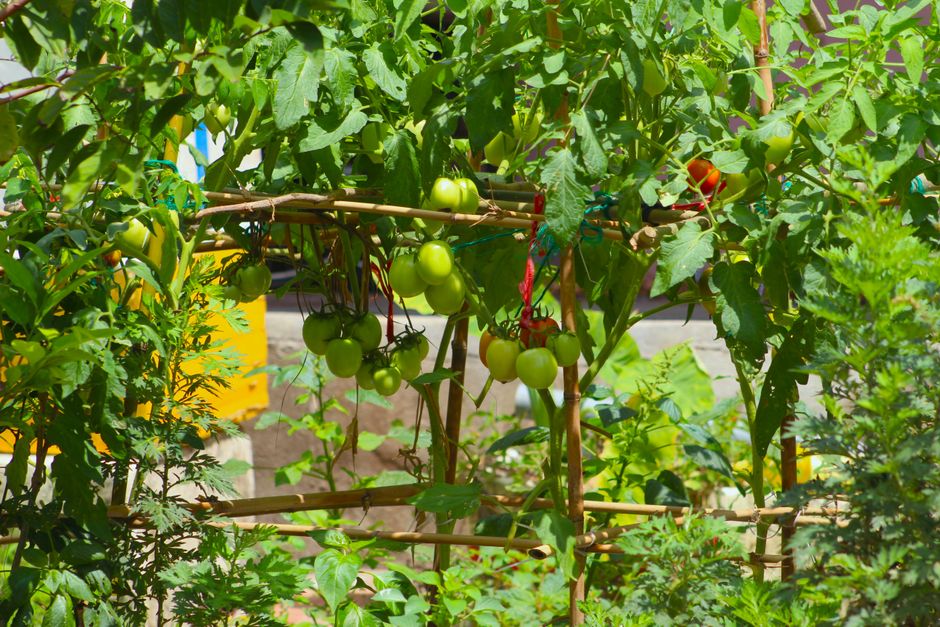
Earlsfield station planting guide for local gardeners
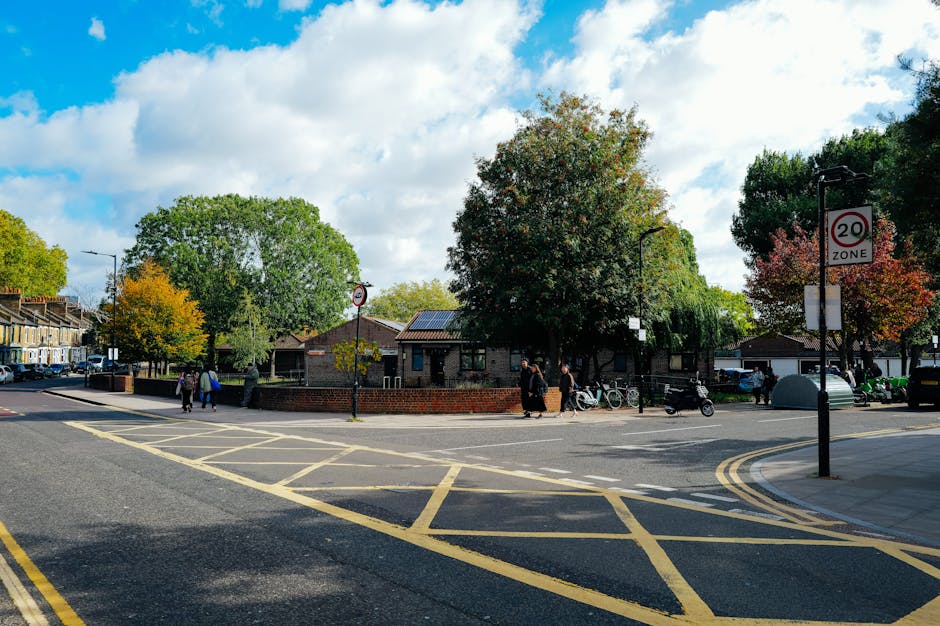
If you garden anywhere near Earlsfield station, you already know the space has a character of its own: a bit urban, a bit exposed, often busier than you'd like, and never quite the same from one side of the day to the next. That is exactly why an Earlsfield station planting guide for local gardeners needs to be practical, not pretty-for-the-sake-of-it. The best planting near a station has to cope with footfall, dust, wind tunnelling, shade from buildings, and the usual London realities of smaller plots and mixed soil conditions. Done well, it can soften hard edges, make a front garden feel calmer, and give local gardeners a reliable planting plan that actually lasts.
In this guide, you'll get a clear, local-first approach: what to plant, where to plant it, how to protect it, and which mistakes tend to trip people up. We'll also cover maintenance habits, useful tools, and a few sensible ways to keep the whole scheme looking good without turning every weekend into a chore. Truth be told, that's what most people want anyway.
Why Earlsfield station planting guide for local gardeners Matters
Planting near a station is not the same as planting in a quiet suburban back garden. Around Earlsfield station, plants may face more trampling at the edges, reflected heat from paving, periodic dryness, and, in some spots, gusty conditions that whip through streets and open fronts. A planting plan that ignores those realities tends to look good in spring and tired by late summer. Not ideal.
For local gardeners, the value of a station-focused guide is simple: it helps you choose plants that suit the microclimate you actually have. Microclimates matter more than people think. A wall-facing bed can stay warmer and drier; a front strip near railings can get more wind; a shady side return may hold moisture longer and suit softer foliage. If you match the planting to the spot, maintenance drops and resilience improves.
There is also the visual side. A well-planted entrance or frontage near a station can make a home feel more welcoming and calm, especially in a built-up street. That might sound cosmetic, but let's face it, good planting changes how a place feels. It softens noise, disguises blank fencing, and makes a narrow space feel lived in rather than leftover.
If you are starting with a tired patch, it can help to look at broader garden recovery ideas too. A sensible first read is starting a neglected garden makeover, especially if the space has weeds, compacted soil, or a few questionable shrubs that have outstayed their welcome.
How Earlsfield station planting guide for local gardeners Works
The guide works by breaking the site into planting zones and then matching plant behaviour to each zone. That sounds formal, but it's really just common sense applied properly.
Start with three questions:
- How much light does the area get through the day?
- How exposed is it to wind, passing people, or vehicle splash?
- How much time do you realistically want to spend on maintenance?
Once you know those answers, you can design with more confidence. For example, a north-facing frontage near the station may need shade-tolerant plants, leaf texture, and structural evergreens. A sunnier, more open strip can take drought-tolerant perennials, herbs, and low mounds of ground cover. If you've got a fence or rail line to screen, vertical planting may be the better choice, because it uses height instead of eating up precious floor space. Our experience is that small gardens near transport links almost always benefit from layering: one low level, one mid level, and one taller structure, even if the taller layer is just a climber on a support.
The other part of how it works is timing. In London, planting at the right moment often matters more than squeezing in a fancy species. Autumn planting gives roots a head start. Spring is good for colour and quick establishment. Summer planting is possible, but only if you're ready to water properly. No mystery there, just discipline.
If wind is a recurring issue, this is where practical design pays off. The advice in expert advice for windy conditions is useful because exposed planting always performs better when you give it a little shelter, even if that shelter is temporary at first.
Key Benefits and Practical Advantages
The right planting plan near Earlsfield station gives you more than a nicer view. It can genuinely make gardening easier and more rewarding.
- Less maintenance: tougher plants, better-matched soil, and fewer losses mean less replacement work.
- Better privacy: layered shrubs, hedging, and climbers help screen views without making the garden feel boxed in.
- More year-round structure: evergreens and architectural plants stop the space looking bare in winter.
- Improved biodiversity: flowers, berries, and sheltered corners can support pollinators and small garden wildlife.
- Greater resilience: plants chosen for local conditions handle stress better and recover more quickly.
- Cleaner, calmer frontage: planting softens hard surfaces and can make a small plot feel less urban.
There is also a practical money angle. Choosing the right plants the first time usually costs less than replacing failed ones after one rough season. If you want a smarter long-term setup, it is worth reading how to keep your garden low maintenance and wallet-friendly. That thinking fits station planting very well.
Expert summary: near Earlsfield station, the best planting schemes are rarely the fanciest. They are the ones that balance shelter, structure, and season-long durability with realistic maintenance.
Who This Is For and When It Makes Sense
This approach makes sense for quite a few people.
- Homeowners with front gardens close to the station who want better kerb appeal.
- Flat owners or tenants with narrow outdoor spaces that need easy-care planting.
- Families wanting a greener frontage without creating extra work.
- Gardeners dealing with shaded, windy, or awkwardly shaped plots.
- People who want privacy from the street or neighbours without building a fortress of fencing.
It also makes sense if you are trying to make a small space feel more intentional. A handful of properly chosen plants can do more than a dozen random purchases from a weekend garden centre run. We've all done the "this looked nice in the pot" thing. It happens. But station-adjacent gardens reward planning, not impulse.
This is especially true if you have children or pets using the space. You may want softer planting edges, non-spiny species, and clear paths so the garden still feels usable. If that sounds like your situation, the ideas in how to design a fun and inviting garden for kids may help you think about layout as well as planting.
Step-by-Step Guidance
Here is a straightforward way to plan your Earlsfield station planting scheme without overcomplicating things.
1. Assess the site honestly
Stand in the garden at different times of day. Note where the sun falls, where the wind hits, and which areas stay wet after rain. If you can, sketch the space. A rough drawing is enough. Measure the longest edge, the narrowest edge, and any awkward corners. Those details matter more than perfect aesthetics at this stage.
2. Improve the soil before you buy plants
Urban soils are often compacted, thin, or a bit tired. Before planting, loosen the top layer, remove debris, and work in organic matter where needed. If the bed is mainly heavy or weak soil, improving it first will save you a lot of disappointment later. The article turning trash into treasure with soil enrichment is a useful companion read here.
3. Choose plants by function, not just appearance
Think in categories: screening, colour, structure, ground cover, and seasonal interest. A station-facing garden often needs at least one plant in each role. That way, if one species has a poor season, the whole design does not collapse visually.
4. Start with reliable performers
For many local gardens, these types are usually sensible:
- Evergreen shrubs: for year-round shape and boundary softness.
- Hardy perennials: for repeated bloom and pollinator value.
- Ground cover: to reduce bare soil and suppress weeds.
- Climbers: for fences, screens, and small vertical space.
- Containers: for flexibility in awkward corners or paved areas.
If the front area is compact, don't be shy about using pots or raised planters. container gardening tips for beginners are particularly useful when roots, access, and frontage all need to share the same small footprint.
5. Plant in layers
Low edging, middle-height shrubs, and a taller backdrop make the space feel designed rather than flat. Layers also help with shelter. One thing a lot of people miss: even a simple layer of ground cover can make the whole bed feel more settled and easier to weed.
6. Water, mulch, and monitor
New plantings need consistent watering, especially in the first few months. Mulch helps keep moisture in and weeds down. Then monitor how the plants actually behave. If something is sulking after a few weeks, move it. Gardening is not a courtroom; you do not need to defend every decision forever.
Expert Tips for Better Results
These are the little improvements that make a planting scheme look more polished and age better.
- Use repetition. Repeating three or four key plants gives a calm, coordinated look.
- Prioritise leaf shape as much as flower colour. Texture matters more than people expect, especially in smaller spaces.
- Leave room for growth. The tiny shrub will not stay tiny. It never does.
- Mix evergreen and deciduous plants. You need bones in winter and softness in summer.
- Choose plants that tolerate some neglect. That's not lazy. That's realistic.
- Use climbers to gain height. A good vertical element can transform a frontage without crowding the ground.
If privacy is one of your goals, a climber or dense hedge can be the neatest solution. For ideas that suit smaller London gardens, have a look at fast-growing hedge choices for privacy and evergreen climber options for shade and coverage. Those topics dovetail nicely with station-facing planting.
A small but important tip: use plant labels or a quick phone note for the first season. In six months you will forget what half of it is. That is just gardening life.
Common Mistakes to Avoid
Most failed planting schemes around busy urban areas come down to the same handful of mistakes.
- Choosing thirsty plants for dry, exposed spots. They may look great for a few weeks, then they simply fade.
- Ignoring mature size. A plant that fits at purchase can become a space hog surprisingly quickly.
- Overcrowding. Too many plants in a small plot creates competition, poor airflow, and constant pruning.
- Skipping soil improvement. If the root zone is poor, the rest becomes a struggle.
- Forgetting maintenance access. You need a way to weed, prune, and water without trampling everything.
- Planting without a seasonal plan. A frontage that looks bare for five months of the year has not really solved the problem.
We also see people underestimate how quickly weeds exploit open ground. If that sounds familiar, these weed management tips are worth keeping close. A little prevention is easier than playing catch-up all summer.
And yes, ivy can be useful in the right place. But if it has taken over, don't let sentiment get in the way. Sometimes removal is the kindest thing for the rest of the garden. This ivy removal guide covers that sort of clean-up well.
Tools, Resources and Recommendations
You do not need a shed full of specialist kit to get this right. A few dependable tools and a sensible routine will take you a long way.
- Spade or border fork: for loosening soil and planting.
- Hand trowel: useful for containers and tight beds.
- Secateurs: for tidying growth and deadheading.
- Watering can or hose attachment: for steady, controlled watering.
- Mulch: to protect roots and reduce evaporation.
- Gloves and kneeler: small comforts, but they help.
If you're building a more complete kit, the article tools every green-thumb enthusiast needs is a handy checklist. It covers the basics without making the whole thing feel like a shopping expedition.
For gardeners who want to keep the setup low effort, it may also help to read practical tips for newcomers and low-maintenance garden ideas. Simple habits are often the difference between a garden that thrives and one that nags at you every weekend.
If you need a broader refresh, especially with hard landscaping or tired borders, it can be worth exploring gardening services, landscaping, or even a tidy-up for surrounding structures like fencing and decking services. When the backdrop is in good shape, planting always looks better.
Law, Compliance, Standards, or Best Practice
For most home gardens, the main compliance concerns are straightforward and practical rather than complicated. If planting affects shared boundaries, visibility, access, or neighbouring property, it is wise to stay considerate and avoid anything that creates nuisance. That means not planting something invasive where it could spread, not blocking paths, and not letting hedges or climbers encroach into someone else's space.
If you are working close to a boundary or near structures, keep an eye on root behaviour and mature spread. In a station area, where space is often tight, this is especially important. It is also good practice to think about safe access for maintenance, because a beautiful bed that cannot be reached is only beautiful for a while.
Where tools, ladders, pruning, or heavier work are involved, sensible garden safety matters. You can review the general approach in the health and safety policy and the wider insurance and safety information if you are considering outside help or larger jobs.
For anything involving major tree work, large-scale boundary changes, or awkward access, it is always best to use proper professional judgement. A tidy planting scheme should never create a future problem. Best practice is really just the art of not making tomorrow harder than today.
Options, Methods, or Comparison Table
When planning near Earlsfield station, most gardeners end up choosing between three broad approaches. Each can work; the right one depends on space, time, and the look you want.
| Approach | Best for | Strengths | Trade-offs |
|---|---|---|---|
| Low-maintenance mixed border | Busy households and small front gardens | Simple to manage, good structure, reliable across seasons | Less dramatic than a full show planting |
| Privacy-led planting | Street-facing plots and overlooked spaces | Improves screening, softens boundaries, adds height | Needs pruning and careful spacing |
| Container and vertical planting | Paved areas, rentals, and awkward footprints | Flexible, adaptable, easy to refresh | Requires more watering in dry spells |
A mixed border is usually the safest starting point if you want something that settles in and looks good without constant fuss. Privacy-led planting is brilliant when the street feels a little too close. Container and vertical planting works well if the ground itself is poor or you need flexibility for a rental property. There isn't a single right answer, which is slightly annoying, but there you go.
Case Study or Real-World Example
Here's a realistic example from the kind of space local gardeners often deal with near Earlsfield station.
A narrow front garden had a compact strip of soil, one sunny corner, one shaded edge, and a fence that felt like the whole frontage had been stitched together in a rush. The owners wanted something greener, but they did not want a high-maintenance display. They also wanted the garden to look good from the pavement without making it hard to get to the front door.
The solution was simple rather than flashy. The soil was improved first, then the space was divided into three parts: evergreen structure against the fence, low ground cover at the front, and a few repeated perennials and herbs in the middle. One climber was trained vertically to break up the fence line. Two containers were added near the path so the entrance had some lift through the year.
What changed? The garden stopped looking like a leftover strip and started looking intentional. Weeding became easier because the ground cover filled in. Watering was more manageable because the plants were grouped by need. And the owners could still open the door, walk through, and not feel hemmed in. A small thing, maybe, but it matters every day.
If you are planning your own version of that, the closest thinking often comes from urban vertical gardening ideas, especially when space is tight and height does more work than width.
Practical Checklist
Before you plant, run through this quick checklist. It saves a lot of second-guessing later.
- Have I checked where the sun, shade, and wind actually fall?
- Do I know whether the soil drains well or stays soggy?
- Have I chosen plants for the site, not just for the shop shelf?
- Is there enough room for each plant when it reaches maturity?
- Will I still be able to water, weed, and prune comfortably?
- Do I have at least one evergreen or structural plant?
- Have I included ground cover or mulch to reduce bare soil?
- Does the planting give me privacy, softness, or colour in the right places?
- Have I planned for winter, not only summer?
- Do I know what maintenance the scheme will need each month?
Quick rule of thumb: if a plant needs perfect conditions to survive near a station, it probably isn't the right plant for the job.
Conclusion
A good Earlsfield station planting guide for local gardeners is not about forcing a polished look onto a difficult space. It is about making smart choices that suit the street, the soil, and the time you actually have. That might mean more evergreens than flowers, more structure than spectacle, and a few less "interesting" plants than you'd imagined at the start. Honestly, that is often what makes the garden better.
When you focus on the right mix of shelter, layering, and maintenance-friendly planting, the whole space starts working for you. It feels calmer, looks fuller, and becomes easier to care for over time. That is the real win. Not perfection. Just a garden that holds its own, season after season.
And if you are mapping out a fresh plan, a tidy-up, or a full planting refresh, it may help to speak with a team that understands local conditions and practical garden use. About us has more background on the people behind the work, and if you are ready to take the next step, you can always begin a conversation through contact.
Get a free quote today and see how much you can save.
Gardens near busy places have their own rhythm, and once you learn it, they can be quietly wonderful.
Frequently Asked Questions
What is the best planting style for a garden near Earlsfield station?
The best style is usually a layered, low-maintenance scheme with evergreen structure, hardy perennials, and some ground cover. That combination handles urban conditions well and keeps the space looking presentable through the year.
Which plants cope best with windy conditions in Earlsfield?
Tough shrubs, flexible perennials, and established climbers often cope best. Plants with strong stems and smaller or tougher leaves tend to handle gusts more reliably than delicate, top-heavy varieties.
Should I use containers or plant directly into the ground?
Both can work. Containers are useful where the soil is poor, the space is paved, or you want flexibility. In-ground planting usually needs less watering and can establish more deeply, so it often suits permanent schemes.
How do I make a small station-facing garden feel private?
Use layered planting rather than a single tall barrier. Evergreen shrubs, one or two climbers, and medium-height planting can screen views while still keeping the space open and natural.
What should I do if the soil near my home is compacted or poor?
Improve the soil before planting. Loosen it, add organic matter where appropriate, and avoid planting overly demanding species until the ground has had a chance to recover.
Are low-maintenance plants always the best choice?
Not always, but they are often the smartest choice near a station. The best plants are the ones that suit your conditions and your available time, not just the ones that look good in a catalogue.
How often should I water new planting?
New planting usually needs regular watering until established, especially during dry spells. The exact frequency depends on weather, soil type, and whether you've used mulch or containers.
What is the biggest mistake local gardeners make near busy roads or stations?
Choosing plants that are too delicate or too large for the space is a common one. Another is failing to plan for maintenance access, which makes simple care much harder than it needs to be.
Can I include herbs in a station-area planting scheme?
Yes, if the area gets enough light and you choose herbs that suit the conditions. Herbs can work nicely in raised beds or pots, especially where you want scent as well as structure.
When is the best time to plant in Earlsfield?
Autumn is often excellent because roots can settle before spring growth arrives. Spring is also a good time, especially if you want quick visual improvement and the weather is mild.
Do I need professional help for planting near Earlsfield station?
Not always. Many small schemes are very doable for local gardeners. But if you're dealing with poor soil, larger boundary work, or a complete redesign, professional support can save time and prevent avoidable mistakes.
How do I keep the planting looking good all year round?
Mix evergreen plants with seasonal interest, use mulch, trim lightly rather than harshly, and replace any failures quickly. A little seasonal attention goes a long way, and frankly it's easier than trying to rescue a neglected bed later.