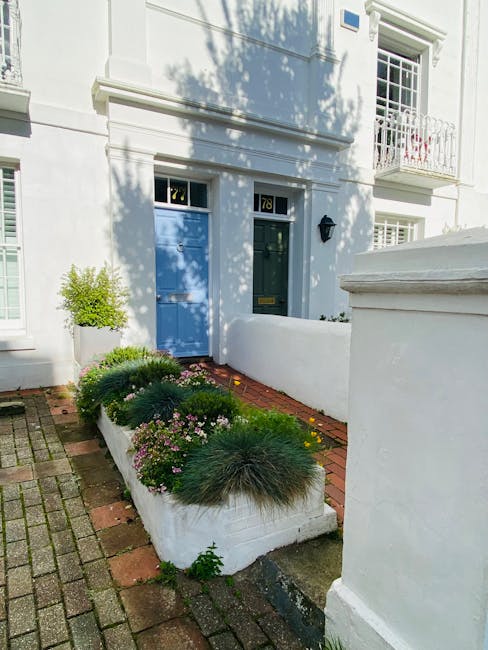
Wimbledon Park Road front garden ideas from Earlsfield gardeners
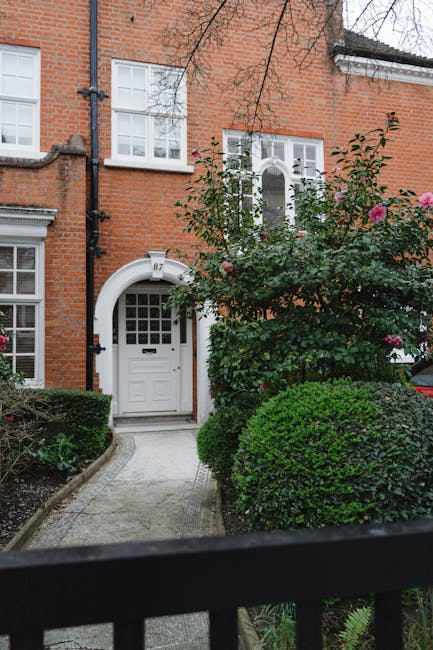
If your front garden on Wimbledon Park Road feels a bit cramped, tired, or hard to keep up with, you are not alone. Small London front gardens can be surprisingly tricky: they need to look welcoming, cope with weather, stay practical, and not become a weekend chore. That is exactly where Wimbledon Park Road front garden ideas from Earlsfield gardeners come into their own. The right layout, planting, and hard landscaping can make a modest space feel brighter, safer, and more polished without losing its everyday usefulness.
In this guide, you will find clear ideas, sensible design choices, and a step-by-step way to plan a front garden that suits the street, the house, and your own maintenance appetite. We will also look at how Earlsfield gardeners tend to approach these spaces in real life: with an eye on drainage, privacy, access, neatness, and year-round structure. Nothing fussy. Just good decisions, made in the right order.
Why Wimbledon Park Road front garden ideas from Earlsfield gardeners matters
A front garden does more than fill the space between the pavement and your front door. It sets the tone for the whole property. It affects kerb appeal, privacy, drainage, access, and even how calm the house feels when you arrive home after a busy day. On streets like Wimbledon Park Road, where homes often sit close to the road and every metre counts, the front garden has to work hard.
Earlsfield gardeners usually start by looking at the space as a practical entrance zone, not just a planting bed. That means asking a few direct questions. How do people walk to the door? Does rain collect near the path? Is the area exposed to wind? Does the garden need to hide bins, soften a wall, or let more light into the house? Those small details decide whether a front garden feels thoughtful or simply crowded.
There is also a neighbourhood factor. A neat, balanced frontage usually feels more settled and easier to maintain, especially if nearby houses already have a strong style. You do not need to copy anyone. But it helps to understand the rhythm of the street. A front garden that respects the local look while still having its own character often ages better. Truth be told, that is usually what people actually want: something attractive that does not become a second job.
For homeowners who want a broader maintenance mindset, the advice in how to keep your garden low-maintenance and wallet friendly is a useful companion piece. It fits neatly with front garden planning because the best ideas are often the simplest ones to live with.
How Wimbledon Park Road front garden ideas from Earlsfield gardeners works
The process is less about dramatic transformation and more about smart sequencing. First, the existing garden is assessed for shape, soil condition, light, boundary treatment, and movement. Then the design is chosen around the strongest practical need. For some homes, that means adding a path, edging, and a few evergreen plants. For others, it means softening a bare frontage with layered planting or a compact seating nook. Occasionally it means almost starting over. A bit brutal, but necessary.
In day-to-day terms, Earlsfield gardeners often work in three layers:
- Structure: paths, paving, edging, fencing, walls, and any raised features.
- Soft landscaping: shrubs, herbaceous plants, climbers, ground cover, and trees where appropriate.
- Finish and upkeep: mulch, weed control, tidy borders, lighting, and a maintenance plan.
This approach keeps the design coherent. If the bones of the space are right, the planting can do its job without fighting the layout. If the structure is weak, even beautiful plants can look a little lost. You will notice this especially in front gardens where the width is limited and the eye moves quickly from street to doorway. Every line matters.
A front garden also needs to work in the rain, the wind, and the darker months. That is why good design in this part of London often leans on hardy planting and durable materials. If your frontage gets battered by gusts, it is worth reading practical advice for windy conditions before choosing anything delicate or top-heavy. A plant that looks charming in June can be a floppy nuisance by October if it is in the wrong spot.
Key benefits and practical advantages
Well-planned front gardens have a habit of paying you back in small but meaningful ways. You feel it when you arrive home. Visitors feel it before they even ring the bell. And, yes, it can make ordinary everyday jobs easier too.
- Better first impression: A clean, balanced frontage makes the whole property feel cared for.
- Improved access: Well-placed paths and clear edges make everyday movement easier.
- Lower upkeep: Smart plant choices can reduce mowing, pruning, and constant weeding.
- More privacy: A hedge, screen, or layered planting can soften views from the street.
- Better drainage: Thoughtful surfacing and planting help water move away instead of pooling.
- Year-round interest: Evergreen structure means the garden does not vanish in winter.
There is also the emotional side, which people underestimate. A front garden can make a house feel less exposed and more like home. That matters more than we admit. A few containers by the steps, a properly edged border, or a well-kept hedge can change the feel of a whole entrance. Small wins. But real ones.
If you are aiming for a frontage that stays neat with less effort, it may also help to explore ground covers suited to UK gardens. Ground cover is one of those quietly brilliant solutions that keeps weeds down, stabilises soil, and looks intentional rather than empty.
Who this is for and when it makes sense
This kind of front garden planning makes sense for a lot of different homeowners. It is not just for people undertaking a full redesign. Sometimes the best result comes from a lighter refresh with a few targeted changes.
You may benefit if:
- your front garden feels bare, cluttered, or mismatched to the house;
- you want a more elegant entrance without constant upkeep;
- your soil is poor, compacted, or full of stubborn weeds;
- you need better privacy from passers-by;
- your old planting is leggy, overgrown, or simply past its best;
- the area is too windy, too shady, or awkwardly narrow;
- you want a child-friendly or pet-safe frontage without it looking like a playpen.
Sometimes the trigger is simple: the garden looks tired. Other times, it is more practical. Maybe the path is slippery, the hedge has got out of hand, or the plants are blocking windows and light. In those situations, a front garden makeover is not vanity. It is problem-solving.
For people dealing with older or neglected spaces, the article starting a neglected garden makeover is especially relevant. Front gardens often need that same "clear the clutter, then rebuild wisely" approach.
Step-by-step guidance
1. Start with the way the space is used
Before choosing plants, map out how people actually move through the garden. Where do you step from the gate to the door? Where are bins stored? Is there a front wall, driveway edge, or boundary fence to work around? A beautiful design that blocks the natural route will annoy you every single day. Sounds obvious, but it happens.
2. Decide what the garden needs to do first
Pick the main job. Is it privacy? Kerb appeal? Low maintenance? Seasonal colour? A clear purpose stops the design becoming a jumble of half-good ideas. Most front gardens do best with one lead function and one supporting function, not six competing ones.
3. Sort the hard landscaping before planting
Paths, edging, steps, fencing, and paving come first. If those elements are not right, planting becomes a patch-up job. In many London front gardens, a clean path with tidy edges already improves the whole look. If you are considering a stronger boundary or a replacement fence, it is worth looking at fencing options early in the planning stage.
4. Improve the soil properly
Front gardens often have compacted soil, builders' rubble, or thin topsoil. Planting into tired soil is a bit like trying to bake a cake with no flour. You can do it, but the results will be poor. Compost, leaf mould, or other suitable organic matter can improve texture and help roots establish. If the soil is extremely poor, the answer may be partial replacement rather than endless patching.
5. Choose plants that earn their place
For most Wimbledon Park Road front gardens, plants should do at least two of the following: look good for a long season, stay relatively tidy, support structure, or provide privacy. Good choices often include evergreen shrubs, compact grasses, flowering perennials, climbers, and ground cover. A kitchen herb edge can also work beautifully if the spot gets enough sun. For that idea, see how to cultivate a kitchen herb garden.
6. Add one or two focal points
This might be a clipped shrub, a container pair by the entrance, a gate feature, or a small tree if the space allows it. One focal point gives the eye a place to settle. Too many and the frontage starts to feel like a display table in a garden centre.
7. Put maintenance on paper
Be honest about what you will actually do. If you will not prune every six weeks, do not choose a design that needs it. If you want tidy without fuss, lean on simple forms, evergreen structure, mulch, and fewer plant species. The article on low-maintenance garden planning gives a good idea of how to keep the work manageable.
Expert tips for better results
Here are the details that often separate a decent front garden from a truly polished one.
- Repeat materials and colours: One paving tone, one edging material, and a restrained planting palette usually look calmer than a mixed bag.
- Use evergreen backbone planting: Even small front gardens benefit from plants that hold shape through winter.
- Don't overfill the border: Leaving breathing room helps each plant read properly.
- Think in layers: Ground cover in front, mid-height structure behind, and one higher feature where appropriate.
- Use containers sparingly: Containers are brilliant near doors or steps, but too many can make a small frontage feel cluttered.
- Plan for the weather: Exposure, frost, and wind can undo a lovely design if they are ignored.
A nice trick, especially in more compact gardens, is to make the entrance feel slightly ceremonial. Not grand, just considered. Two matching pots, a low hedge curve, or a simple path line can do it. You can almost feel the space "settle" when the geometry is right. And yes, that sounds a touch poetic for a front garden, but it is true.
If you are adding screens or upper layers, climbers can be useful too. The guide on evergreen climbers for shade and structure is a smart next read if you want height without bulk.
Common mistakes to avoid
Front gardens look simple from the street. They rarely are. A few common mistakes cause most of the disappointment.
- Choosing plants only for looks: Many good-looking plants become frustrating if they are too large, too thirsty, or too tender for the site.
- Ignoring maintenance reality: A front garden is visible every day, so messy planting stands out fast.
- Blocking light: Heavy planting close to windows can make the house feel dark and closed in.
- Forgetting drainage: Standing water near the entrance is unpleasant and can be a safety issue.
- Using too many styles at once: Formal paving, wildflower planting, tropical pots, and a rustic bench can work against each other.
- Skipping the soil prep: This one is boring, yes. Also one of the biggest reasons projects fail.
We also see people leave an overgrown hedge or old ivy in place because "it will sort itself out." It won't. At least not in the way you want. If you are dealing with tough climbers or established invasive growth, this ivy removal guide may save you time and future headaches.
Tools, resources and recommendations
You do not need a van full of specialist equipment to improve a front garden, but a few proper tools make the work cleaner and safer.
- Hand tools: trowel, fork, secateurs, pruning saw, and a sturdy hoe for weeding.
- Edging tools: for keeping borders crisp and paths neatly defined.
- Wheelbarrow or garden trug: useful for soil, waste, and mulch movement.
- Mulch materials: to suppress weeds and hold moisture.
- Pressure-cleaning or patio refresh support: for hard surfaces that need a proper reset.
If the hard landscaping needs attention, a front garden refresh can often be paired with patio cleaning or professional landscaping support. That is especially useful when the space has become slippery, stained, or visually patchy. A clean surface makes planting look better, oddly enough.
For ongoing care, many homeowners find it helpful to combine border work with regular garden maintenance or lawn care if the front garden includes turf. It keeps the whole frontage consistent rather than letting one area slide while the rest looks smart.
Law, compliance, standards, or best practice
Front garden work in London is usually straightforward, but a bit of caution goes a long way. If you are altering a boundary wall, tree, fence, driveway edge, or access route, it is sensible to check whether any permissions, shared ownership issues, or neighbour considerations apply. That is especially true for properties with mature trees or close-set boundaries.
Good practice also matters around safety and access. Paths should be stable and not overly slippery. Lighting should not create glare or nuisance. If you are changing levels, adding steps, or installing hard surfaces, drainage should be considered early, not as an afterthought. In wet weather, a pretty path that turns slick is not a success. It is a complaint waiting to happen.
For formal tree work or anything involving larger roots, canopy reduction, or safety risks, it is wise to use a proper tree professional rather than improvising. If a front tree is causing shade, damage, or visibility issues, tree surgery support may be the safer route.
And for the business side of hiring help, sensible reading includes insurance and safety information, health and safety policy details, and the company's terms and conditions. That is not glamorous, but it is part of choosing a trustworthy service. No one enjoys paperwork, yet it matters.
Options, methods, or comparison table
There is no single right answer for a front garden. The best method depends on how much space you have, how much maintenance you want, and whether the main goal is privacy, structure, or softening the frontage.
| Approach | Best for | Strengths | Trade-offs |
|---|---|---|---|
| Formal planting with edging | Neat terraced or compact frontage | Smart, tidy, easy to read from the street | Needs regular trimming to stay crisp |
| Low-maintenance evergreen scheme | Busy households | Year-round structure, less seasonal collapse | Can look static if not balanced with texture |
| Mixed planting with ground cover | Small beds and awkward corners | Helps suppress weeds and soften hard lines | Takes time to establish |
| Hedge and screen-led design | Privacy-focused homes | Calmer, more enclosed feel | Can reduce light if overdone |
| Container-led frontage | Very tight spaces or rental situations | Flexible, easy to update | Needs watering and seasonal refresh |
For many Wimbledon Park Road homes, the strongest result comes from a blend: a clear path, a modest hedge or screen, a few evergreen plants, and some ground cover to close gaps. Not flashy. Just right.
Case study or real-world example
Consider a typical front garden on a London residential street: narrow plot, tired lawn, patchy borders, and a front wall that has lost its clean line. The owners want it to look more welcoming but do not want a high-maintenance makeover.
The redesign starts simply. The worn turf is reduced or replaced, the edges are redefined, and the path is cleaned up so the entrance reads clearly. A small hedge is introduced for structure and privacy. Then come a few durable shrubs with seasonal lift, plus ground cover in the awkward corners where weeds used to win every time. Two larger containers are set near the door to give the frontage some height and a bit of personality.
Nothing dramatic. But the difference is obvious.
By week one, the house feels tidier. By month one, the planting starts settling in. By the second season, the front garden looks as though it was always meant to be there. The owners still have work to do, of course, but not the endless sort. A quick trim, an occasional feed, some weeding. Manageable stuff.
If you are just getting started, the beginner-friendly guidance in essential tips for newcomers can help you avoid the usual overbuying and overplanting trap. To be fair, most people do that once.
Practical checklist
Use this quick checklist before you begin any front garden refresh.
- Measure the space and note where people actually walk.
- Check for shade, wind exposure, and drainage problems.
- Decide whether privacy, structure, or low maintenance is the top priority.
- Remove dead, overgrown, or invasive material first.
- Repair or clean paths, edging, and any hard surfaces.
- Improve the soil before planting anything new.
- Choose a small, consistent planting palette.
- Include at least one evergreen feature for year-round shape.
- Use ground cover or mulch to reduce weeds.
- Keep access to the front door clear and comfortable.
- Plan a maintenance routine you can realistically stick to.
If you want a more structured approach to materials and layout, the ideas in strategic seating arrangements may also help you think about flow, even if your front garden is too small for actual seating. Good design thinking transfers. Funny how that works.
Conclusion
The best Wimbledon Park Road front garden ideas from Earlsfield gardeners are the ones that respect the realities of London living: limited space, mixed light, weather exposure, and the need for something that looks good without becoming a burden. If you focus on structure first, then choose plants that suit the site and your maintenance style, the result will feel calm, tidy, and genuinely welcoming.
Small front gardens do not need to be complicated to be effective. In fact, the simplest changes often give the biggest lift: a better path, a cleaner boundary, a few well-chosen plants, and a layout that makes sense when you are carrying shopping or coming home in the rain. That is the sweet spot.
Get a free quote today and see how much you can save.
And if you are still sketching ideas in your head, that is fine too. Good front gardens usually begin with one honest question: what should this space feel like every time you walk up to the door?
Frequently Asked Questions
What are the best Wimbledon Park Road front garden ideas from Earlsfield gardeners for a small space?
For a small front garden, the best ideas usually focus on structure and restraint: a clear path, a small number of evergreen plants, compact borders, and one or two focal points. That keeps the space looking tidy rather than crowded.
How do I make a front garden look neat all year round?
Use evergreen backbone planting, defined edging, and mulch or ground cover to reduce bare soil. A clean path and regular pruning also make a huge difference, even when the planting is quiet in winter.
Can a front garden be low maintenance and still look attractive?
Absolutely. In fact, many of the best front gardens are low maintenance because they rely on smart plant selection, simple shapes, and durable materials. You do not need a lot of variety to get a polished result.
What should I do if my front garden gets a lot of wind?
Choose sturdy, wind-tolerant planting and avoid very tall or brittle features in exposed spots. It helps to read site conditions before buying plants, because a windy frontage can quickly punish the wrong choices.
Do I need planning permission to change my front garden?
Most basic planting and tidying work does not need permission, but changes to walls, levels, trees, drainage, or shared boundaries can raise separate issues. If in doubt, check before making structural changes.
What is the easiest way to improve kerb appeal?
Start with the visible basics: clear weeds, clean the path, sharpen the edges, and add a few healthy plants near the entrance. Often that is enough to make the whole frontage feel more cared for.
Are hedges better than fences for a front garden?
It depends on the look and the amount of privacy you want. Hedges feel softer and greener, while fences give a cleaner boundary and can be simpler to maintain. Some gardens use both in a balanced way.
How much planting should I put in a small front garden?
Less than you think. Small gardens usually look better when plants have room to breathe. A few well-placed shrubs, ground cover, and maybe one accent feature often work better than a packed border.
What if the soil in my front garden is poor?
Soil improvement is a sensible first step. Add organic matter where appropriate, remove rubble, and check whether compacted areas need loosening. In very poor sites, partial replacement or raised planting can be more reliable.
Can I add a seat or bench to a front garden?
You can, if the layout and privacy allow it. Small seating areas work best when they do not block access or make the frontage feel cluttered. If space is tight, a simple threshold or stepping stone feature may be a better fit.
How do I keep weeds down without constant effort?
Use mulch, dense planting, and ground cover to close open soil gaps. Regular attention in the first season helps a lot. After that, the garden tends to settle into a much more manageable rhythm.
What services might help with a front garden makeover?
Depending on the job, you may want help with landscaping, garden maintenance, fencing, tree surgery, patio cleaning, lawn care, or general gardening services. The right mix depends on whether you are refreshing, repairing, or redesigning the space.
When you are ready to turn ideas into a real plan, a front garden rarely rewards hesitation forever. A careful start, though, can change the feel of home in a way that lasts for years.